Enhance Your Home: Key Information About Home Remodeling Services for Each House Owner
Homeowners often seek ways to improve their living spaces through home improvement projects. These renovations extend starting with kitchen improvements to comprehensive home makeovers. Understanding the options available is essential for making informed decisions. Additionally, there are tangible aspects including financial planning and selecting the professional contractor. When property owners embark on this process, they may find themselves facing surprising obstacles. The key to a successful transformation requires careful planning and performance. Which actions should follow?
Knowing the Various Categories of Home Remodeling Services
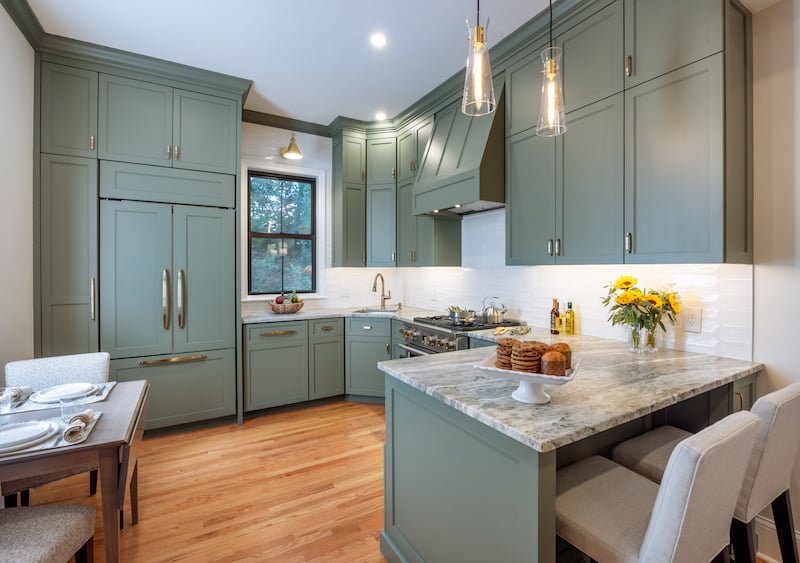
When homeowners consider renovating their residences, they typically find numerous renovation options designed for specific preferences and preferences. These options can be widely classified into a few distinct groups, each focusing on particular areas of house upgrades. Kitchen renovations center on modernizing fixtures, storage units, and layouts to enhance functionality and visual appeal. Renovating the bathroom usually includes updating the hardware, tiles, and storage solutions for improved comfort and design.
Complete residential remodeling includes significant changes throughout the residence, sometimes requiring major structural work to make the most of the space and movement. Outdoor renovation projects, on the other hand, focus on boosting curb appeal, dealing with the cladding, the roof, and landscaping. Additionally, specialized services like basement finishing and attic conversions help residents make the most of unused areas. All these service types offers unique benefits, enabling homeowners to choose options that align with their vision for their home life. Knowing these variations is vital for deciding intelligently while undertaking the upgrade.
Establishing a Practical Spending Plan for Your Home Improvement Work
What steps ensure their renovation work stays economically sound? Creating a sensible budget is vital. It is advisable for homeowners to begin by assessing their monetary resources, covering savings and possible funding sources. This initial step allows one to figure out the funds available for the updating project while maintaining other fiscal obligations.
Subsequently, property owners need to investigate the expenses linked to their planned updates, considering materials, labor, and unforeseen expenses that often arise. Developing a comprehensive priority list will assist in separating necessities from non-essential items, making it possible to adjust if funds become limited.
It's wise to include a contingency fund, generally 10-20% of the entire budget, to handle unforeseen expenses. Periodically examining and tweaking the budget during the renovation project can further assist in keeping finances in check. In the end, a carefully structured budget ensures the project is feasible but also improves the entire renovation process for homeowners.
Choosing the Right Contractor to Suit Your Project.
Choosing the appropriate professional can significantly affect the success of a remodeling project. Property owners ought to start by performing extensive investigation, seeking recommendations from friends, family, or online reviews. It is essential to confirm documentation, such as licenses, insurance, and surety bonds, to verify their standing.
After suitable professionals have been found, homeowners should request detailed estimates and timelines, making it possible to compare options knowledgeably. Meeting with them offers a look at their manner of communicating and their professional conduct, which are crucial for working together effectively.
Furthermore, examining previous work via portfolios or referrals can Port Hope Remodeling Company reveal a contractor's quality of workmanship. Property owners must also ask about guarantees or assurances, reflecting the contractor's confidence in their work.
Finally, picking a builder whose approach fits the property owner's ideas, cost plan, and timeframe leads to a more favorable updating process, ensuring the work fulfills requirements and transforms the living space effectively.
Structuring and Laying Out Your Ideal Space.
As those renovating imagine their desired rooms, meticulous organization and deliberate design form vital parts of a successful remodeling project. The first step involves evaluating current needs and future aspirations, which permits a comprehensive grasp of the room's intended function. When planning, homeowners should evaluate functionality, aesthetics, and their individual taste, to guarantee the design showcases their unique preferences.
Subsequently, creating a detailed budget is vital. This budget should accommodate supplies, workforce costs, and possible unexpected costs. Consulting with design experts can offer helpful perspectives, aiding in maximizing the area while sticking to budgetary constraints.
Including features such as natural light, open layouts, and eco-friendly supplies can elevate the living environment. Lastly, seeing the project via mock-ups or 3D visualizations can assist in finalizing plans before implementation. By approaching the planning and design phase with intention, homeowners can design a welcoming, practical area customized for their needs.
Dealing with Permits and Building Codes in Home Remodeling
Familiarizing oneself with the red tape and requirements can be daunting for homeowners starting on a remodeling project. Each municipality has specific rules that determine what is allowed during renovations, frequently shaped by area restrictions, construction standards, and security requirements. Owners need to acquaint themselves with local regulations so they don't incur hefty fees or project delays.
In most cases, getting permits is mandatory for substantial modifications, such as modifying load-bearing elements or new wiring installations. This process often involves submitting plans for review and could involve check-ups at multiple points.
Engaging a knowledgeable contractor can make this procedure easier, as they are typically experts in municipal rules and can assist with paperwork. Owners must also maintain clear communication with the city's regulatory body to ensure adherence throughout the project. By grasping and navigating these regulations, homeowners can meet their renovation objectives while guaranteeing that the work is safe and legal in their renovations.
Common Queries
How Long Does a Typical Home Remodeling Project Take?

A typical home remodeling project usually takes between three to six months, based on the size of the job, size of the home, and material lead times. Complex projects may require additional time for completion.
What are the frequent blunders to avoid while undertaking a remodel?
Common mistakes when renovating a home are things like miscalculating costs, not securing the required permissions, missing scheduled deadlines, poor communication with contractors, and failing to think about long-term functionality. Awareness of these pitfalls can lead to a less stressful, more positive renovation outcome.
How should I go about choosing the best supplies for my renovation?
Choosing the right materials requires assessing how long they will last, aesthetics, and financial limits. Looking into different products, getting expert advice, and thinking about upkeep can greatly aid in making informed decisions, to guarantee the project fits with personal and functional requirements.
Will I be able to reside in my property while the remodeling is happening?
You are able to stay in the house during renovations, but it could be uncomfortable. Detailed organization, clear communication with contractors, and setting aside certain zones for daily use can lessen the stress while the work is underway.
What kind of coverage should be provided by my builders?
Clients typically receive warranties covering workmanship, the supplies used, and the integrity of the structure, typically ranging from one to ten years. It is crucial to review the exact provisions alongside your builders to understand coverage and limitations fully.